It becomes frustrating when your recovery doesn’t feel like how it used to be. Your joints are stiff, your energy levels are low, and your body isn’t the same. That’s why many active adults, athletes, first responders, and those over the age of 35 are looking for BPC-157 Peptide Therapy.
BPC-157 is gaining traction in the wellness and performance sectors, with its potential benefits in recovery, mobility, and soft tissue care. But there is also a lot of false information, untrustworthy online sellers, and misleading tips out there, too. The reality is somewhat more complex.
BPC-157 is not a magic solution, but it’s a fascinating peptide that many people want to learn more about. If you are one of those, read ahead to know all about this interesting peptide.
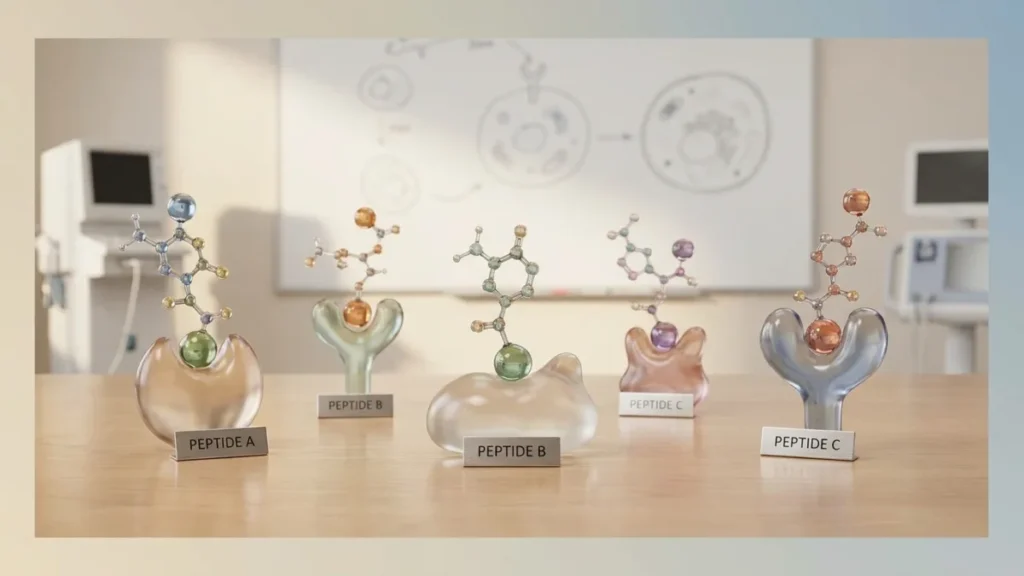
BPC-157 is also known as Body Protection Compound-157. It’s a synthetic peptide of 15 amino acids and is similar to a protective compound naturally found in the stomach. Peptides are short sequences of amino acids, which are able to function as messengers in the body.
The early research that looked at the potential of BPC-157 in inflammation-related pathways, tissue response, blood vessel growth, and even musculoskeletal recovery has made it a well-discussed recovery peptide.
A 2025 systematic review indicated that BPC-157 may have an impact on pathways associated with cell growth, angiogenesis, and inflammatory cytokines, while preclinical models revealed a beneficial effect on muscle, tendon, ligament, and bone injury.
BPC-157 is of particular interest because it could work with the body’s natural healing mechanisms. It has been investigated for its possible association with growth factors, collagen activity, blood flow, inflammation signal transduction, and tissue remodeling.
In simple terms, BPC-157 is being researched as a means to bolster the body’s environment for healing. It cannot be said it “repairs” or “heals” the body at your command, but it can assist pathways that have been in existence in nature to support recovery.
This distinction matters. BPC-157 should be taken as a potentially good recovery-support peptide, and not as a treatment.
The potential advantages of BPC-157 include, but are not limited to, the following:
Generally, the most frequent question people ask regarding BPC-157 benefits is regarding recovery, mobility, and physical resilience. It is currently researched for soft-tissue support, joint support, post-exercise recovery, gut flush, and optimizing performance recovery.
These benefits seem attractive to those who work physical jobs or have long days, or who feel they don’t recover as quickly as they used to. One study reveals that 7 of 12 individuals with chronic knee pain experienced marked benefits after receiving an injection of BPC-157 for over 6 months.
Overall, BPC-157 shows incredible potential in recovery studies, but its effectiveness needs to be established further with human trials. That is the reason why you should never use this or any peptide without proper clinician guidance.
People who are interested in BPC-157 are not interested in taking things to extremes. All they want is to feel better in their body. They might be experiencing slower recovery, stiffness following activity, work-related physical strain, or a sensation that their body is not recovering as before.
BPC-157 could be part of a recovery-supporting plan. But recovery is, more often than not, a process involving multiple factors. Hormone levels, inflammation, training load, metabolic health, and nutrient status are all factors that can impact recovery.
That’s how BBB Wellness goes beyond the symptoms. A lab-informed approach can help determine whether BPC-157 is a topic to discuss or whether other wellness areas should be addressed first.
Many people are looking for the dosage of BPC-157, but that’s where medical advice comes into play.
The recommended dosage of BPC-157 for general wellness or recovery support is not universal and does not exist. Dosage should be adjusted based on patient, product, route, history, objective, and practitioner discretion. USADA cautions that a well-documented safe dose of BPC-157 in humans has not been established due to the lack of comprehensive studies in humans.
This does not imply that persons can refrain from asking about dosage. It implies that dosage needs to be personalized, not based on the internet. Utilizing a clinician-guided plan will help ensure the conversation is rooted in your medical history, lab work, current medications, and wellness objectives.
In preliminary studies, BPC-157 has been shown to be well-tolerated. But research has also highlighted that there were no clinical safety data in humans.
This provides a fair balance view. The initial safety picture is favourable, but there is still limited human safety research.
Concerns might be associated with product quality, long-term use, unknown reactions to the product, and irritation or troubles with injectable products. The FDA has mentioned that compounded drugs with BPC-157 can have immunogenicity issues and peptide impurity and characterization issues.
Therefore, it is important to know the quality of the sources. Patients should choose to avoid “research chemical” dealers and consult a trained clinician for advice on the risks and benefits, if clinically and legally suitable.
BPC-157 has not been approved as a drug for humans. However, this does not imply that the science behind it is not compelling. It simply means that you should be aware of the current regulatory position of science before making the decision.
There is one more thing to take into account for athletes. USADA reports that BPC-157 belongs to the World Anti-Doping Agency’s class S0, which lists unapproved substances.
The most important thing to remember about the wellness people is that there’s nothing to fear about this peptide; you only need information-based decision-making. The use of BPC-157 must be discussed openly, particularly if you are a sportsman, in the military, or working in a testing environment.
BPC-157 is sometimes mentioned in conjunction with other recovery peptides, particularly TB-500. BPC-157 is more commonly known as a focal recovery-support pathway, while TB-500 is more commonly associated with general tissue and mobility support.
After taking your detailed history and doing lab work, our expert clinicians at BBB Wellness can advise you on other supplements like collagen, vitamin c, protein, magnesium, and/or omega-3 fatty acids, hormone optimization, or metabolic support in combination with BPC-157.
BPC-157 may be considered for active adults, athletes, first responders, busy professionals, and men and women over 35 who are seeking recovery and mobility assistance. It might also benefit those who have a feeling their body is not reacting as well as they want to, due to training, work stress, or daily activity.
But not everyone is an ideal candidate. Before making any recommendation, a proper consultation should be done where symptoms, health history, medications, lifestyle, lab markers, and personal goals are reviewed.
Clinician-guided wellness care is available to ideal people in New Jersey, South Jersey, Ventnor, Atlantic County, Florida, and certain telehealth sites through BBB Wellness. The objective is to provide you with a responsible guide to peptide therapy with BPC-157 without hype or fear.
Advanced bloodwork, clinical review, physician oversight, customized wellness plans, and pharmacy fulfillment are all things that may be a part of a consultation when clinically appropriate. This makes a safer, better-thought-out route than taking a guess on the dosing charts found on the internet or purchasing products that have not been verified.
There’s a reason why BPC-157 is popular. It addresses the needs of many people close to their hearts: improved recovery, better mobility, and staying active for longer. Initial research is encouraging, particularly in relation to pathways of recovery, but evidence is still emerging.
When it comes to peptide BPC 157 therapy, it’s best to approach it with a curious, optimistic, and educated mindset. If you’re interested in BPC-157, the best approach is to speak with a clinician rather than making an educated guess.
Looking to take a responsible step towards recovery? Make an appointment for a clinician-led consultation with BBB Wellness today!
BPC-157 is a synthetic peptide. It is derived from a protein naturally found in human gastric juice, specifically the stomach lining. Although BPC-157 is naturally produced in the body, it is manufactured synthetically for therapeutic use.
It could assist with recovery, mobility, soft-tissue health, and physical strength.
There is no universal FDA-approved dosage, so dosing should be clinician-determined.
Information on human safety is limited, and any potential concerns would include individual reactions and product quality.
BPC-157 is not FDA-approved for human use yet.
Don’t use it by competitive athletes as it’s banned by USADA.
It can be used in conjunction with collagen, vitamin C, protein, magnesium, or other support when clinically indicated.